
Since the fall of Bashar al-Assad’s regime in December 2024, Syria has entered a transitional period under a newly formed government that claims to prioritize reform, justice, and rebuilding the state. Yet, at the heart of this process lies deep controversy over settlements made with figures associated with the old regime, raising the question whether bloodshed and crimes can be “settled” through deals and financial agreements. Link
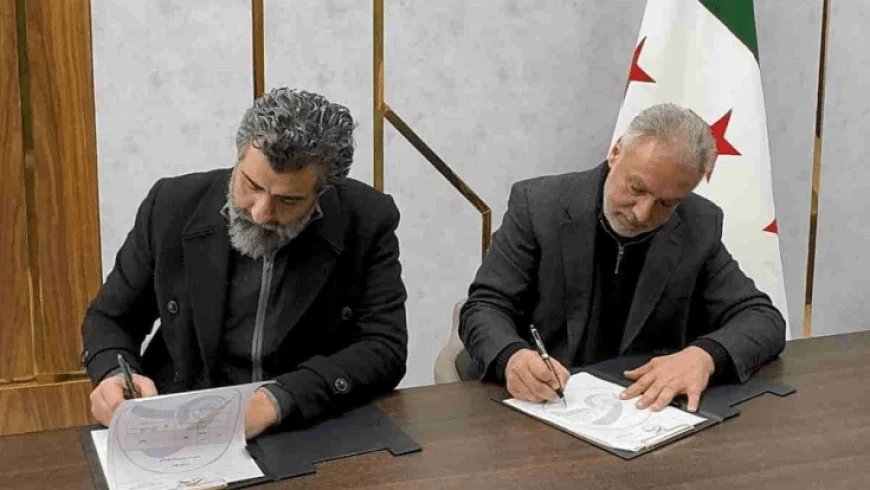
📌 Mohammad Hamsho: Businessman or Settler of Controversy?
- Who is he?
A prominent Syrian businessman, Mohammad Hamsho’s extensive business empire spanned construction, communications, and media. His close ties to Assad’s inner circle, particularly to Maher al-Assad’s Fourth Division, led to U.S. and EU sanctions against him since 2011. Link - What happened?
In January 2026, Hamsho announced a “comprehensive agreement” with the new government aimed at “regularizing his legal status” and “moving forward,” without addressing past allegations of corruption or regime collaboration.Link - Settlement or Shield?
Reports suggest part of the agreement involves significant financial contributions to the state’s coffers, under a voluntary disclosure scheme, but details remain opaque – fueling criticism that this is a financial deal rather than justice.Link
⚠️ Fadi Saqr: The Controversial Militia Figure
- Who is he?
A former commander in the National Defence Forces, Saqr is accused of involvement in the Tadamon massacre in Damascus in 2013 and other severe human rights abuses. - Why the uproar?
His appearance in public life, not in detention or under prosecution, triggered outrage. Critics question why someone allegedly involved in war crimes is now acting as a community intermediary without accountability.

📉 Justice or a “Sell-Out”?
For many Syrians, especially survivors and relatives of victims, these developments feel like a betrayal of justice. What was supposed to be transitional justice appears to be slipping into backroom deals, leaving fundamental questions unanswered:
Will perpetrators be held accountable under domestic and international law, or will justice be bartered away for financial settlements?
There is also widespread concern that such policies could pave the way for other figures from the former regime’s inner circle to reintegrate into public roles without facing formal accountability.