
More than fourteen years after the Syrian uprising began, many Syrians now find themselves questioning whether the political trajectory of the country is truly aligned with the sacrifices made during the years of conflict.
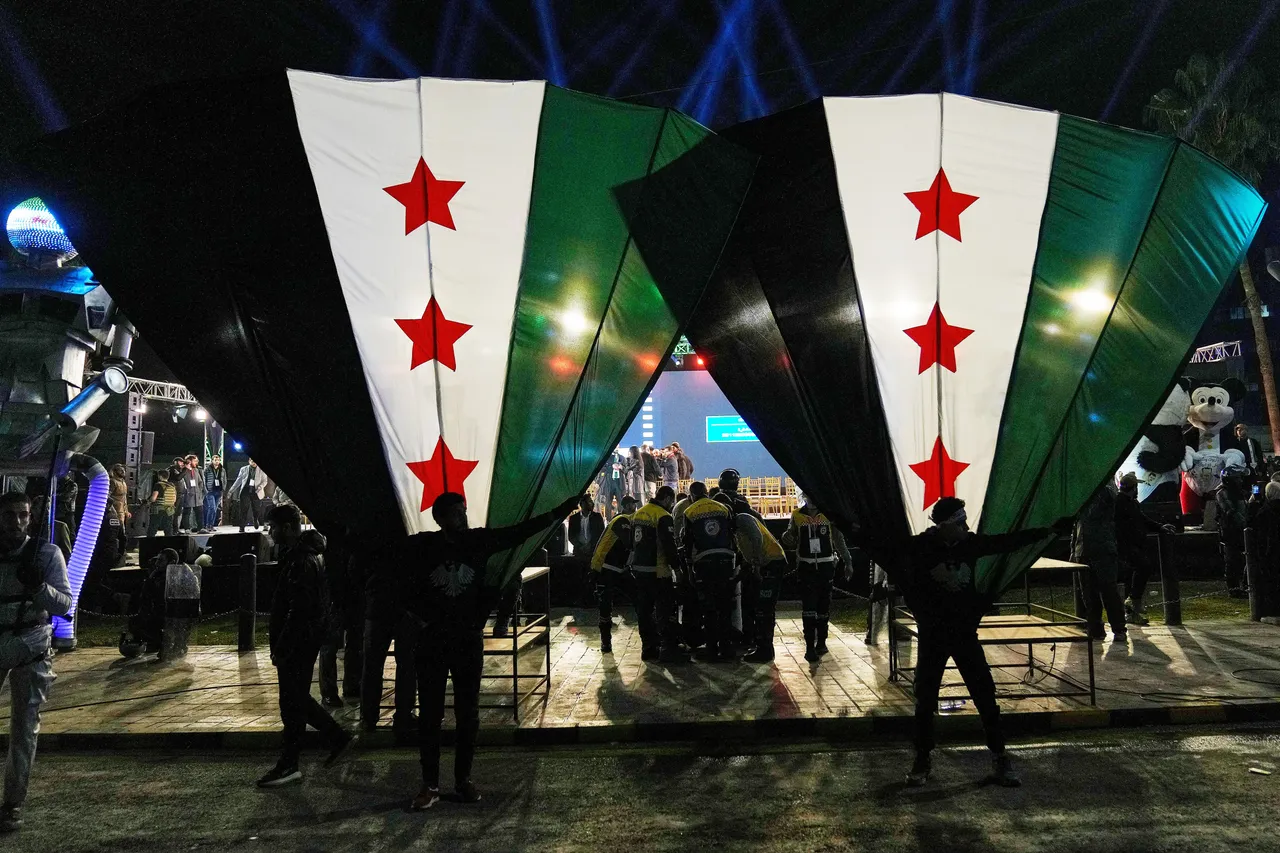
Instead of witnessing the emergence of a transparent and accountable state, critics argue that several developments raise concerns about the direction of governance in the post-conflict period.
Controversial Foreign Policy Choices
One of the most frequently raised concerns relates to the government’s foreign policy approach.
Some observers argue that recent diplomatic moves appear disconnected from the political expectations of many Syrians who supported the uprising against the former regime.
For these critics, Syria’s foreign relations should reflect the aspirations of a society that paid a heavy price in pursuit of dignity and political change.
Government Formed Through Patronage
Another major criticism focuses on the structure of the current government itself.
Rather than being based on professional qualifications and merit, several appointments are widely perceived as the result of patronage networks and personal connections.
For many Syrians, this pattern resembles the governance model that existed under the previous regime, where loyalty often outweighed competence.
The Return of Former Regime Figures
Perhaps the most sensitive issue concerns what some describe as the gradual reintegration of figures linked to the former regime.
While many former activists and opposition supporters still face administrative or legal obstacles, critics claim that individuals associated with past abuses have been able to re-enter public life through political or financial arrangements.
For families of victims, this raises a deeply painful question:
Was the immense sacrifice of the past years meant to end in the restoration of the same political structures?
Financial Settlements and the Justice Debate
Reports of financial settlements involving individuals accused of serious violations have sparked intense debate.
Critics argue that transforming serious crimes into financial settlements risks replacing justice with money.
Such arrangements, they say, could send a troubling message: that accountability for wartime abuses can be negotiated rather than pursued through transparent legal processes.
Rising Corruption and Nepotism
At the same time, public complaints about corruption, bribery, and nepotism within certain institutions appear to be increasing.
Observers warn that if these practices remain unchecked, they could undermine efforts to build credible and effective state institutions.
Security Concerns and Unequal Enforcement
Public frustration is also growing over security issues in several regions, where residents report increasing incidents of theft, kidnapping, and lawlessness.
Many citizens believe that law enforcement appears inconsistent across different regions, creating a perception of unequal treatment under state authority.
Cultural and Educational Debates
The introduction of Kurdish language education in certain contexts has also triggered debate.
While some view it as recognition of cultural diversity, others question why similar attention has not been extended to other Syrian communities such as Turkmen, Circassians, Assyrians, and Syriacs.
For critics, genuine cultural inclusion must apply to all communities equally.
A Critical Moment for Syria
Taken together, these developments are contributing to a growing sense of frustration among segments of Syrian society.
The uprising that began in 2011 was driven by demands for dignity, justice, and accountable governance. Many Syrians now fear that those goals remain unresolved.
The country therefore stands at a critical crossroads.
Addressing public concerns through transparency, reform, and genuine political inclusion may help rebuild trust between citizens and institutions.
Ignoring them, however, could deepen political tensions in a society already exhausted by years of conflict.