
After years of immense sacrifices made by the Syrian people during their uprising against authoritarian rule, growing public concern is emerging regarding the direction in which the new governing authorities are steering the country.
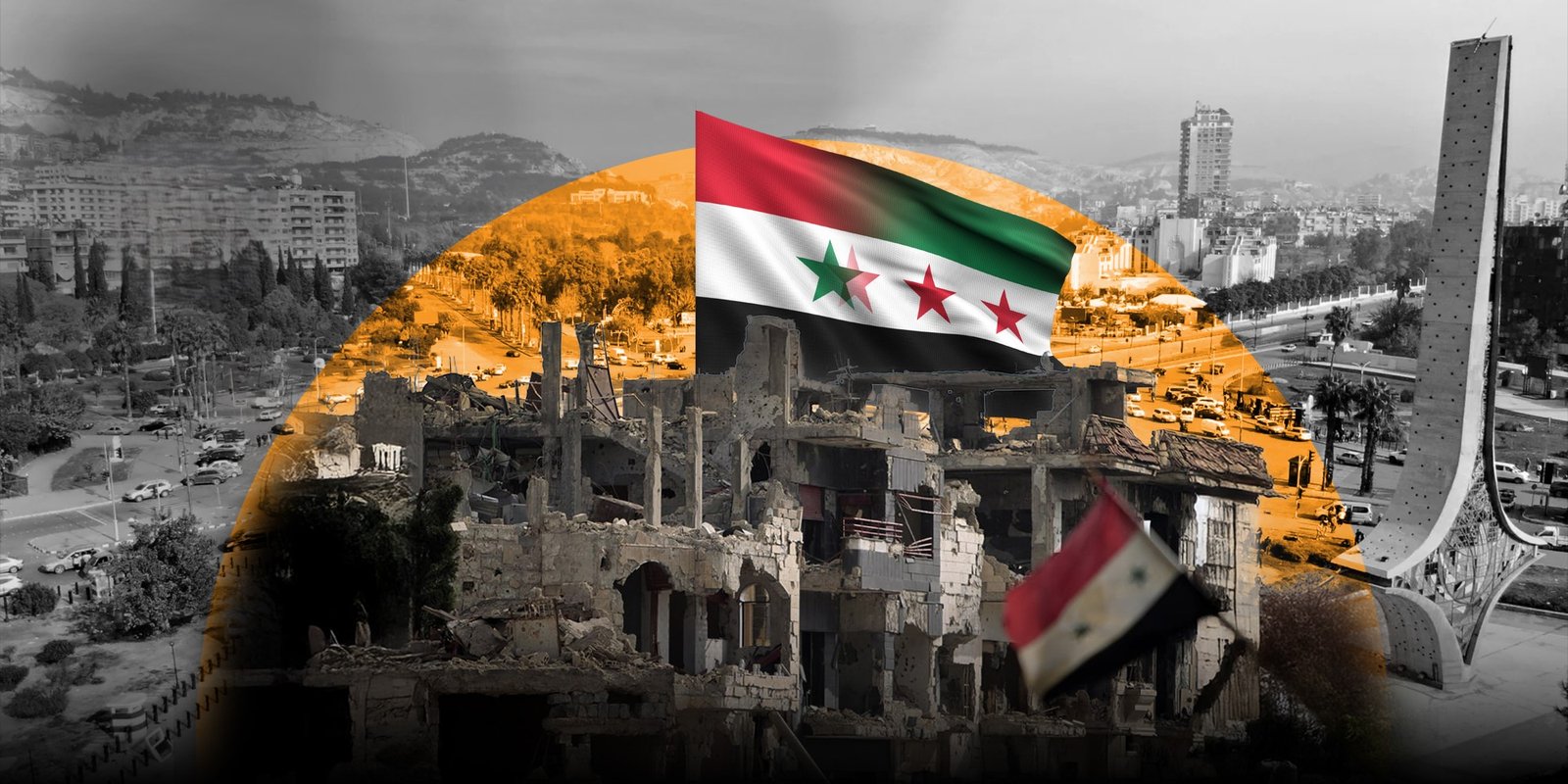
The Syrian revolution was not launched merely to replace one ruling structure with another.
It was a popular demand for dignity, justice, and the dismantling of a system built on repression, corruption, and patronage.
Today, however, many Syrians express deep frustration as they witness developments that appear inconsistent with those aspirations.
Across different parts of the country, concerns persist regarding:
- The continued influence of armed actors outside formal state structures
- Rising accusations of nepotism and patronage in public appointments
- The reintegration of figures linked to the former regime
- The worsening economic pressures faced by ordinary citizens
Public debate has also intensified around developments in northeastern Syria, where significant territory remains under the influence of structures affiliated with the Syrian Democratic Forces, alongside security forces such as the Asayish.
In southern Syria, political positions associated with circles around the Druze religious leader Hikmat al-Hijri have sparked controversy, particularly when discussions about international involvement in Syrian affairs emerge.
Meanwhile, reports of armed networks linked to remnants of the former regime in coastal regions continue to circulate, with figures such as Miqdad Fatiha often mentioned within public discourse.
These developments contribute to a growing sense among many Syrians that accountability and equal application of the law remain uncertain.
The Syrian revolution cannot be declared finished by a political announcement.
Popular revolutions end only when their core demands — freedom, justice, and accountable governance — are fulfilled.
If the voices of citizens and the sacrifices made over the past years are ignored, the country risks entering a new phase of political and social tension.
True stability cannot be built through rhetoric or power consolidation alone.
It can only emerge through justice, transparency, and respect for the will of the people.
History repeatedly shows that societies which have risen in pursuit of dignity rarely accept the return of injustice under new forms.
For this reason, the responsibility now lies with those in power to reconsider their policies and seriously engage with public concerns before tensions escalate further.
Safeguarding Syria’s future requires genuine reform — not merely crisis management.