
The government’s decision to set wheat procurement prices between 320 and 330 USD per ton has triggered widespread anger among Syrian farmers, who argue that the pricing reflects a complete disconnect from the economic realities facing the agricultural sector.
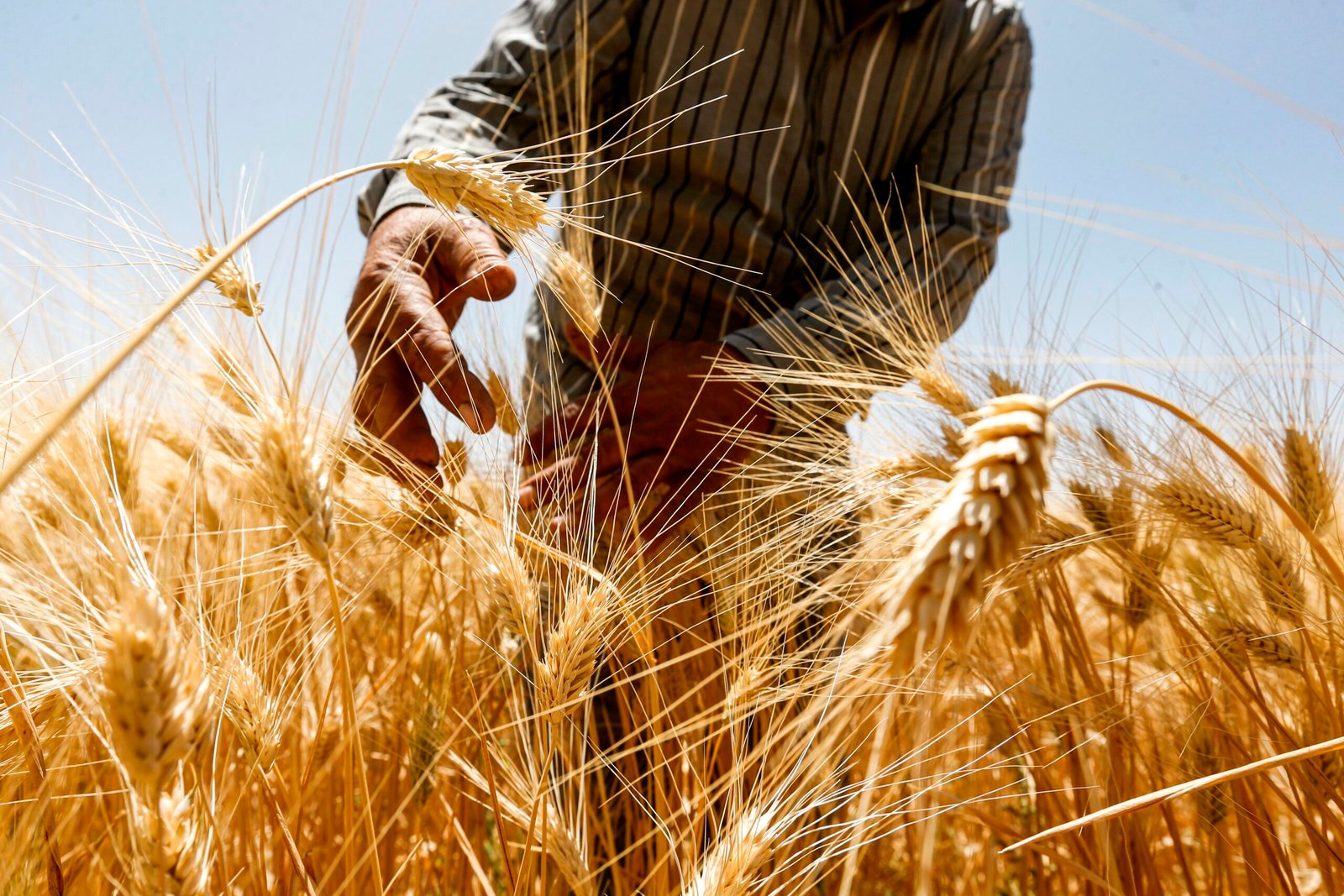
Farmers say the proposed prices fail to account for the massive increase in production costs and ignore the severe hardships faced by rural communities, especially at a time when agriculture remains one of the last sources of economic survival for thousands of Syrian families.
Observers stress that the issue is no longer merely about crop pricing — it has become directly tied to food security and the future of agriculture in Syria.
Critics argue that, amid rising bread prices and worsening living conditions, supporting wheat production should be treated as a national priority rather than a financial calculation based solely on budget considerations.
Some farmers have compared government spending on secondary projects and new official vehicle fleets with the refusal to significantly raise wheat prices, arguing that saving the agricultural season should come before administrative luxuries.
Numbers Reveal the Scale of Losses
According to estimates circulated among farmers, the average cost of cultivating one dunum of wheat has risen dramatically:
- Tractor and land preparation: $15
- Seeds: $16
- Urea fertilizer: $24.5
- Soil fertilizer: $24.5
- Herbicides and supplements: $8
- Harvesting costs: $15
- Transportation: $10
- Bags and packaging: $6
This brings the total estimated cost to approximately $119 per dunum — excluding fuel costs and irrigation well maintenance.
Meanwhile, with an average production yield of around 300 kilograms per dunum, the proposed pricing generates only about $97 in revenue, leaving farmers operating at a clear financial loss before additional unexpected expenses are even considered.
Farmers say these figures explain the growing frustration and protests rejecting what they describe as “unfair and destructive pricing.”
Anger Beyond Agriculture
What is happening today is not only about wheat.
It reflects a growing sense among rural communities that they have been left alone to face economic collapse.
Agriculture — once the backbone of Syria’s economy — is now struggling under:
- Exploding production costs
- Lack of meaningful support
- Deteriorating infrastructure
- Pricing policies viewed as detached from reality
Observers warn that continuing such policies could drive many farmers away from wheat cultivation altogether, threatening future food security and increasing dependence on imports.
Public demands are also growing for an investigation into how the pricing decisions were made, along with accountability for the committee responsible.
For Syrian farmers, this is no longer just about numbers.
It is a battle for survival.