
Protests are not the real problem in any country. The real problem lies in the reasons that drive people to protest in the first place.
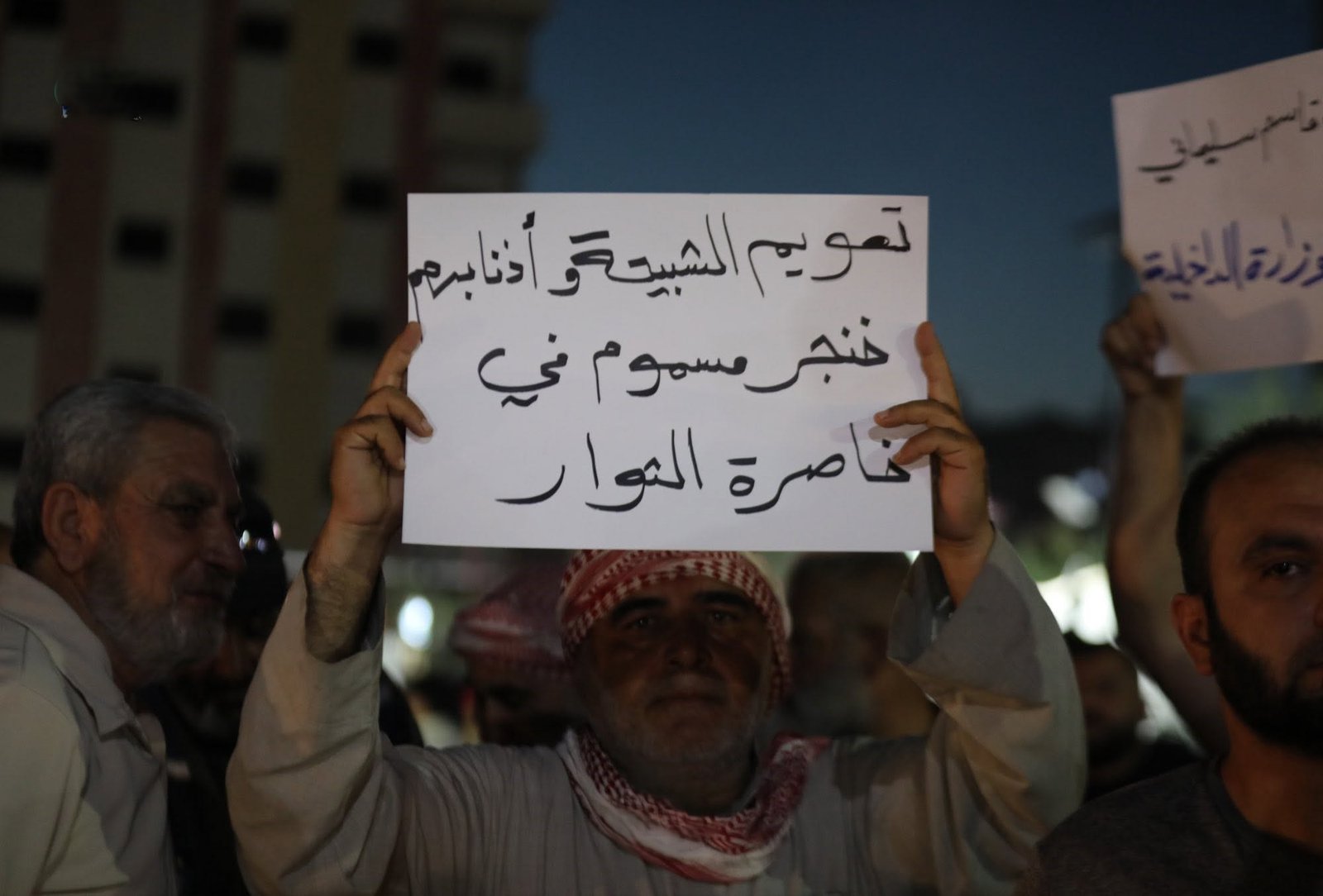
The Syrian citizen who endured years of war, displacement, poverty, and uncertainty was not expecting miracles. What people hoped for were clear signs that their sacrifices had not been in vain and that the new state would be different from the practices that fueled public anger in the past.
Today, unresolved issues continue to accumulate:
Deteriorating living conditions, rising unemployment, allegations of favoritism, demands for accountability, and growing voices expressing feelings of exclusion and marginalization.
When these issues pile up without a convincing response, individual frustration gradually transforms into collective anger, and collective anger can evolve into a protest movement that becomes increasingly difficult to contain.
The most dangerous challenge any government can face is not criticism—it is the loss of public trust.
When citizens become convinced that their voices are not being heard and that their concerns are ignored, they begin searching for other ways to make themselves heard.
For this reason, public frustration cannot be addressed through neglect or dismissal. It can only be addressed by confronting its root causes.
Stability is not built through force alone, nor through slogans and promises. It is built through justice, competence, accountability, and respect for citizens.
If there is indeed growing public anger in certain regions, wisdom requires treating it as an early warning signal rather than a political confrontation.
Strong states are not those that silence their citizens.
Strong states are those that listen before citizens feel compelled to raise their voices even louder.