
In transitional periods, public trust becomes the most fragile and most valuable political asset. In provinces like Deir ez-Zor — a region that has endured war, displacement, and economic collapse — expectations for transparent governance are understandably high.
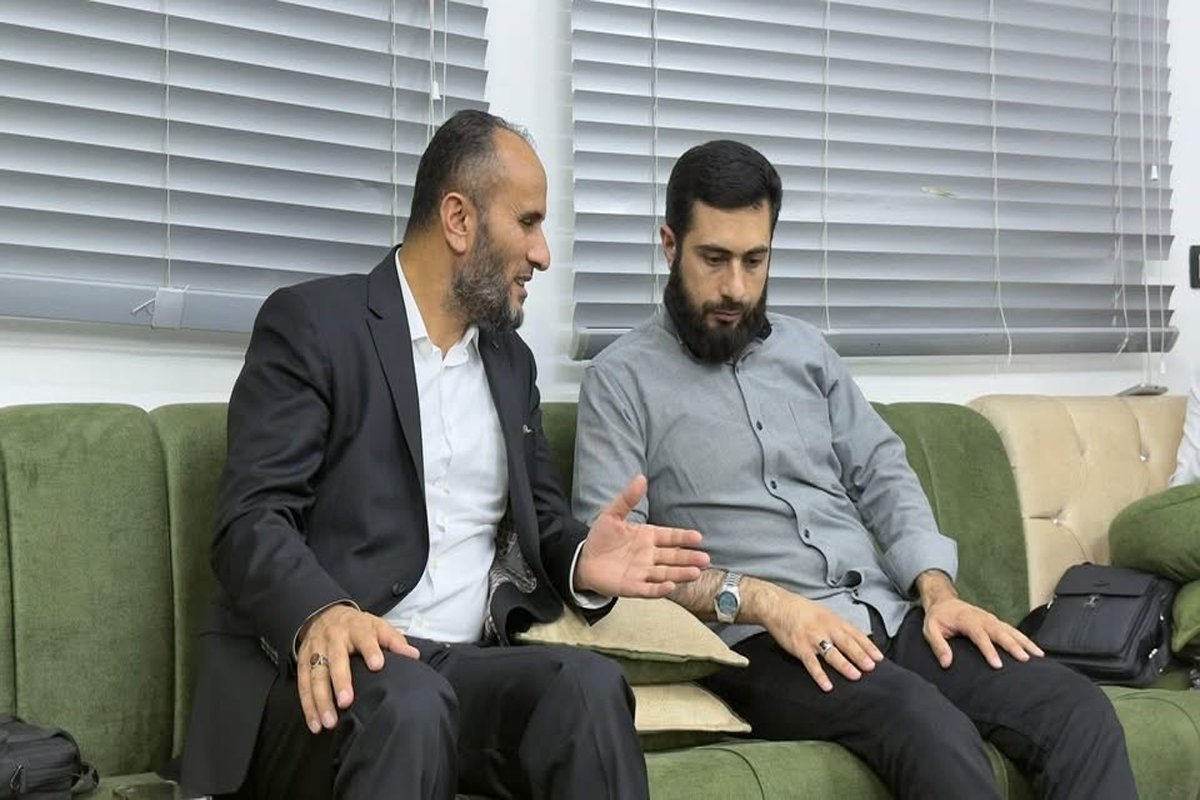
Recently, local sources have circulated allegations suggesting that key administrative and security positions within the province may be concentrated within a narrow circle of familial relationships. While no official confirmation has been issued, the perception alone is enough to generate public concern.
The core issue is not whether relatives work within the same institution. The deeper concern lies in the following questions:
- Are appointments based on merit and professional qualifications?
- Is there transparent oversight?
- Are opportunities equally accessible to qualified candidates outside close personal networks?
- Is there independent review of sensitive administrative and financial positions?
In post-conflict societies, even the appearance of concentrated power within a limited circle can erode confidence. Governance that appears closed or exclusive risks reinforcing long-standing grievances — particularly in regions that historically felt marginalized.
Whether these dynamics result from institutional oversight, administrative weakness, or deliberate tolerance of patronage networks, the political consequences remain the same: declining public trust.
Stability is not secured merely by security control; it is secured through fairness, transparency, and open access to public service roles.
If the new Syrian administration aims to distinguish itself from past governance models, it must ensure that local administrations reflect accountability, not consolidation.
Public perception matters.
And perception, if ignored, eventually becomes political reality.