
General amnesty decrees are inherently complex. They reflect both political intent and legal responsibility.
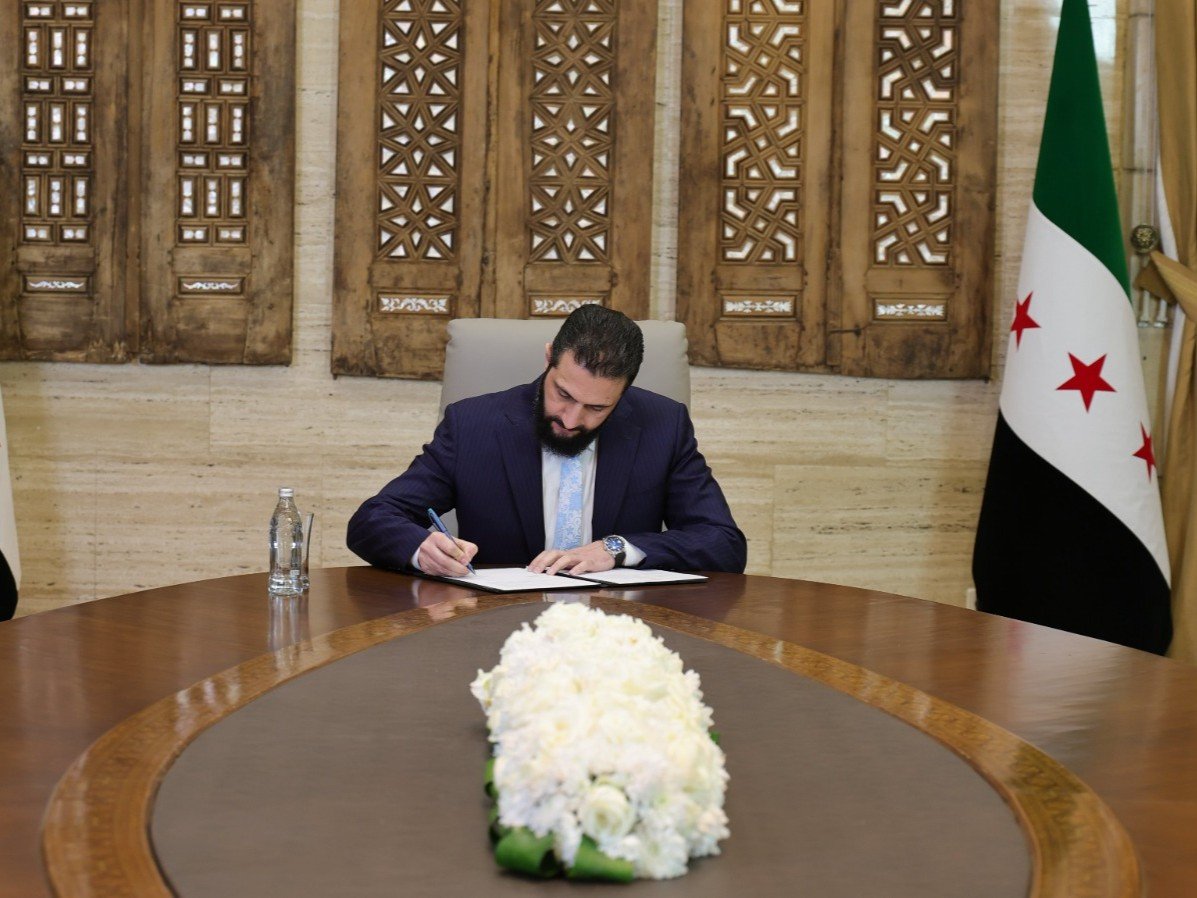
Supporters argue that the decision may help reduce prison overcrowding, encourage reintegration, and signal a reform-oriented approach rather than a purely punitive system.
The central controversy, however, lies in the treatment of personal claims. If the decree truly preserves the rights of victims by requiring their formal waiver, then it maintains a necessary legal safeguard. Yet concerns arise regarding potential social or informal pressures placed on victims to withdraw their claims.
The key issue is not merely whether the amnesty is lawful, but whether its implementation will preserve the balance between public reconciliation and individual justice.
If serious violations remain excluded and personal rights are protected in practice—not only on paper—the decree could be viewed as measured and responsible. Otherwise, it risks being perceived as undermining accountability.