
For more than a decade, Syrians have lived through one of the most complex crises in modern history.
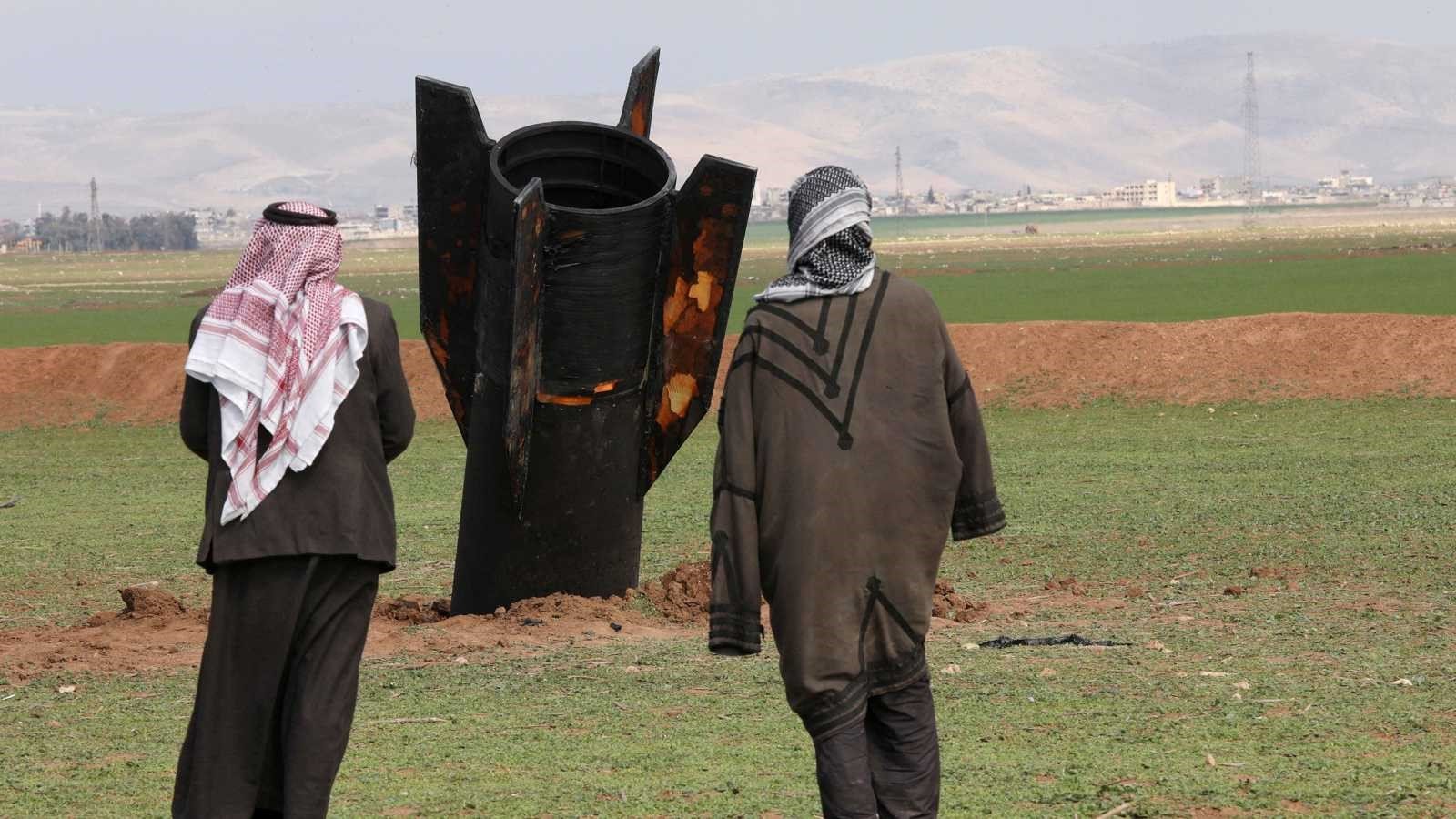
Yet today, the question asked by ordinary Syrians is no longer only about the war itself, but about what came after it.
For years, Syrians endured bombardment, displacement, poverty, and fear.
Cities were destroyed, families were scattered, and an entire generation grew up under the shadow of conflict.
Despite all of this, many Syrians continued to hope that the end of large-scale fighting would eventually open the door to a new chapter — one that could restore dignity and stability to their lives.
But the reality many citizens see today feels very different.
While regional and international actors continue to maneuver across Syrian territory, the Syrian citizen once again finds himself outside the political equation.
Recent tensions along the Syrian-Lebanese border illustrate this dilemma.
Reports of attacks linked to Hezbollah against Syrian army positions have coincided with Syrian military mobilization near the border.
Yet the main question circulating among Syrians is not a military one.
It is a political one.
Are these confrontations really about the interests of the Syrian people?
Or are they simply another chapter in the regional power struggle unfolding on Syrian soil?
During the years of war, Hezbollah was deeply involved in fighting inside Syria, becoming part of a conflict that Syrians themselves paid for with immense human and economic losses.
However, many Syrians feel that genuine accountability for the suffering caused by the war has never truly taken place.
Today, as tensions rise again, some citizens believe the motivations behind military decisions are tied more to regional power dynamics than to the needs of the Syrian people.
On one side, Iran seeks to maintain influence through its regional allies.
On the other, pressure from actors such as the United States and Israel shapes the strategic environment.
Caught between these competing forces stands the Syrian citizen.
Not a decision-maker.
Not a beneficiary.
Ironically, the Syrian government now controls most of the country’s economic resources — including oil, gas, and key economic assets that many citizens hoped would eventually help rebuild the economy.
Yet everyday life for many Syrians has not improved.
Food prices continue to rise.
Fuel remains scarce or unaffordable.
Unemployment spreads while purchasing power collapses.
For many Syrians, the end of large-scale war did not bring relief — it simply marked the beginning of a new phase of hardship.
The question heard in homes, markets, and streets across the country is painfully simple:
If the war is largely over and resources are under state control, why are people’s lives getting harder instead of better?
The uncomfortable answer may be that the Syrian citizen has never truly been at the center of the political equation.
And societies that have endured so much rarely remain silent forever.
Syria today stands at a crossroads:
It can rebuild a state that earns the trust of its citizens and places their well-being at the heart of national policy…
Or it can remain an arena where regional powers compete, while ordinary Syrians continue to bear the cost.