
Recent political decisions taken by the new Syrian authorities have triggered significant debate across the country, particularly regarding governance arrangements in Kurdish-majority regions and the appointment of figures linked to armed groups that played a role during the conflict.
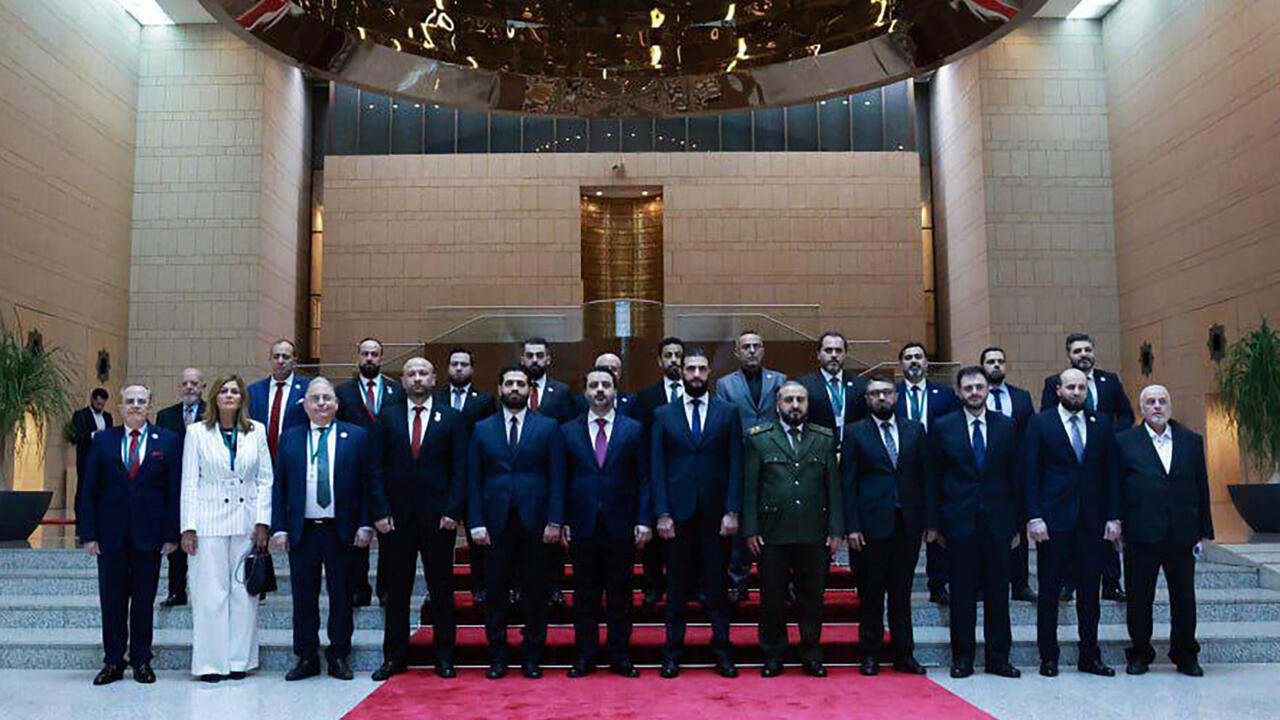
Discussions about forms of local self-administration in Kurdish-majority areas have been accompanied by controversy surrounding the appointment of Sipan Hamo, a well-known military figure associated with the Syrian Democratic Forces, to a position connected with the Ministry of Defense in eastern Syria.
These developments have raised questions among many Syrians, especially within Arab tribal communities in eastern regions, about the broader political balance the new authorities are attempting to establish.
Public Concerns and Political Perception
For many Syrians who supported the uprising that began in 2011, such decisions appear politically contradictory.
On one hand, the new political order was expected to reflect the ideals of the uprising—justice, dignity, and inclusive governance.
On the other hand, critics argue that certain appointments and political arrangements resemble power-sharing deals among armed actors rather than a transformation toward institutional governance.
This perception has led to a recurring question in public discussions:
Are groups that once stood outside the revolutionary movement being politically rewarded, while communities that supported the uprising feel increasingly marginalized?
Sensitivity in Eastern Syria
These concerns are particularly sensitive in eastern Syria, where Arab tribal structures play a significant role in social and political stability.
As a result, military or administrative appointments affecting the region are often interpreted through the lens of local legitimacy and representation.
Without clear communication or inclusive political dialogue, such decisions risk being misunderstood as externally imposed arrangements.
Between Political Reconciliation and Strategic Balancing
Some analysts argue that the new authorities may be attempting to manage complex political and military balances in a fragmented country.
However, critics believe the core problem is not dialogue itself but the lack of transparency surrounding political agreements and strategic decisions.
After years of war and sacrifice, Syrians increasingly demand clarity regarding the direction of the state they are trying to rebuild.
A Critical Moment for the Post-Conflict State
Syria today faces a crucial political test.
Managing ethnic, regional, and political diversity is essential for long-term stability. Yet such management must be built on fair representation, inclusive governance, and public trust.
If large segments of society begin to feel excluded from decision-making, the fragile post-conflict political order could face new pressures.
The central question therefore remains:
Is the emerging political system in Syria building an inclusive national state, or merely redistributing power among competing actors under a new political framework?