
The Syrian people did not rise fourteen years ago, sacrificing hundreds of thousands of lives and enduring massive displacement, only to witness the gradual return of the same patterns of corruption and injustice they revolted against.
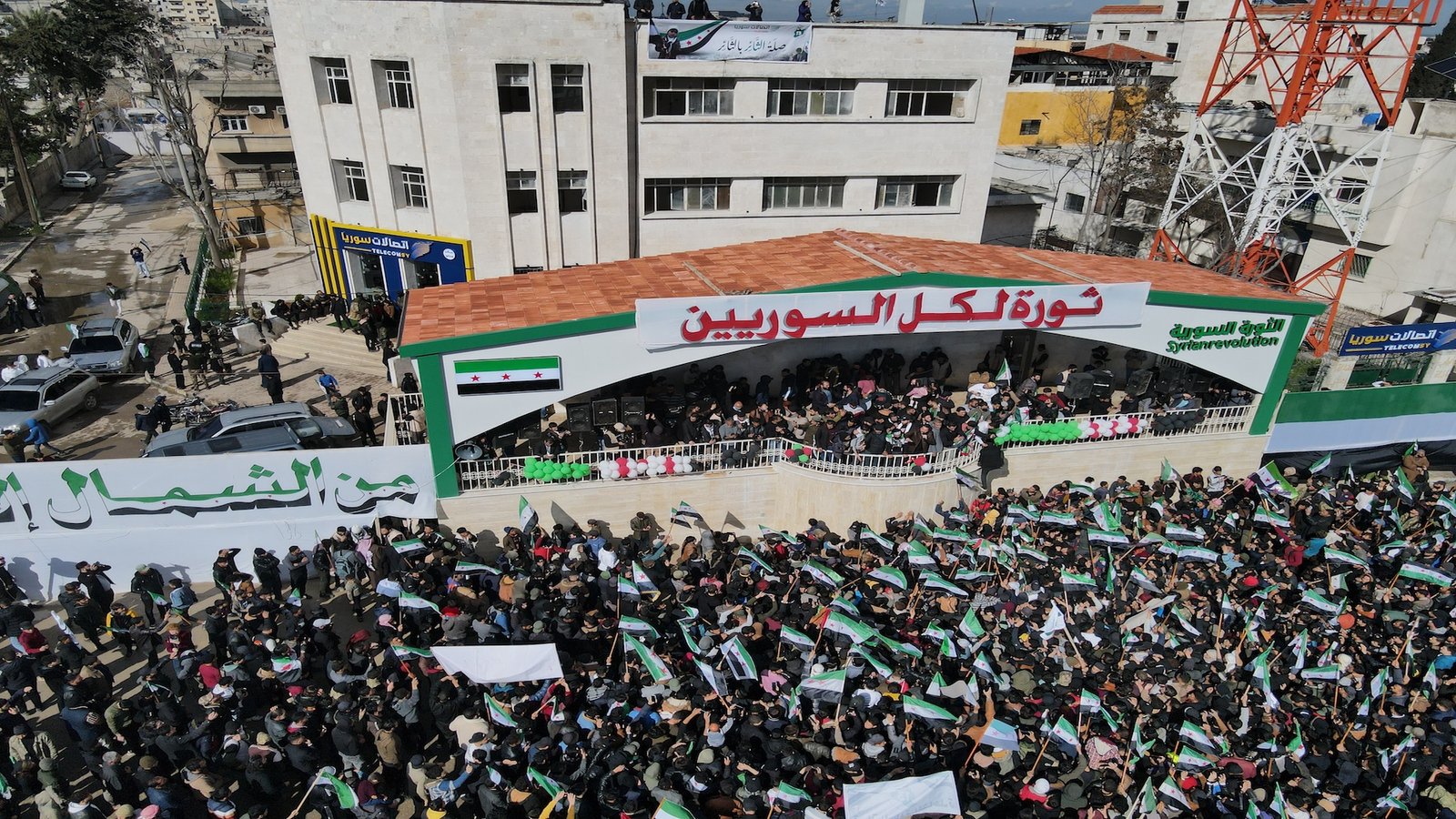
Today, growing segments of Syrian society express deep concern and anger over a series of political decisions that many believe have crossed critical ethical and national boundaries.
The current governmental structure is widely perceived as being shaped not by merit or professional competence, but by patronage networks, personal loyalties, and political favoritism — practices that strongly resemble the governance model of the former regime.
At a time when Syrians expected justice and accountability for the crimes committed during years of conflict, public opinion has instead been confronted with reports of financial settlements involving individuals linked to the previous regime.
For many Syrians, these arrangements do not represent reconciliation or justice.
They represent the transformation of grave crimes into financial transactions.
Turning serious violations into monetary settlements sends a deeply troubling message: that those who committed crimes against the Syrian people may escape accountability if they possess sufficient financial resources.
Meanwhile, public complaints about corruption, bribery, and nepotism within state institutions continue to rise, further weakening public confidence in governance.
Security concerns are also growing. In several regions, citizens report increasing incidents of theft, kidnapping, and lawlessness, creating the perception that the rule of law is applied unevenly.
Decisions related to cultural and educational policies have also triggered controversy, with critics arguing that some policies appear designed to appease specific political actors rather than promote a balanced and inclusive national framework.
Perhaps the most dangerous aspect of the current trajectory is the growing perception that the new political authority is distancing itself from the very society whose sacrifices made political change possible.
Let this be stated clearly:
The patience of the Syrian people is not unlimited.
A society that endured fourteen years of war, repression, and hardship will not accept that its sacrifices be reduced to political patronage systems and financial deals.
Ignoring the demands for justice, transparency, and fair governance will only deepen public anger and widen the gap between citizens and those in power.
Therefore, we issue this clear warning:
If these concerns continue to be ignored, Syria risks entering a new phase of political and social instability — one whose consequences may prove difficult to contain.
The only path forward lies in returning to the principles that inspired the Syrian uprising:
Justice
Accountability
Merit
and the dignity of every Syrian citizen.
Anything less will simply reproduce the crisis that Syrians have already paid so dearly to overcome.